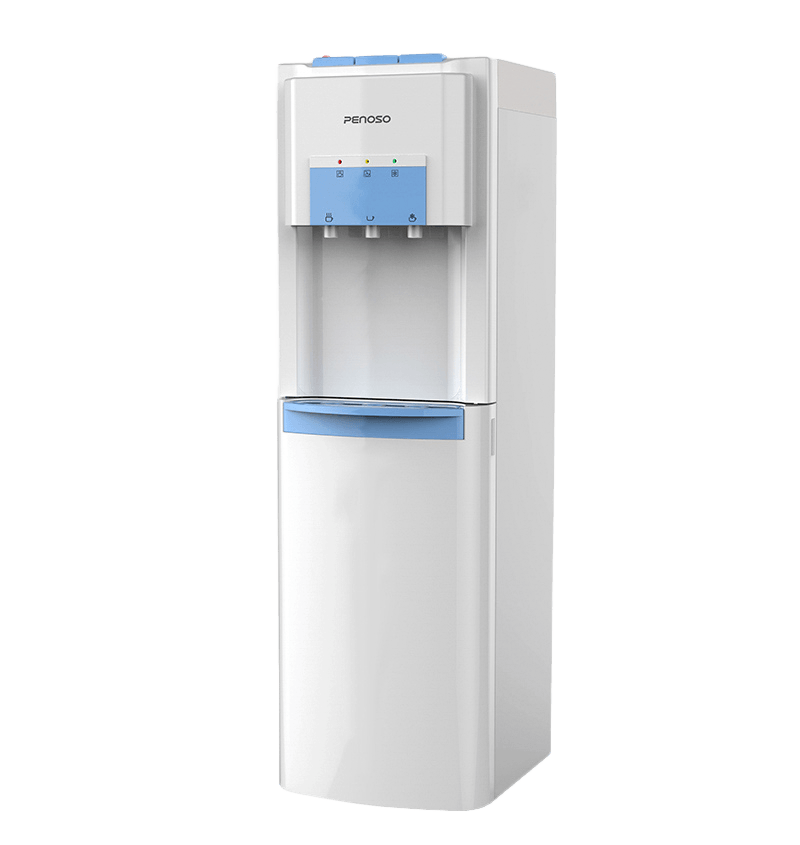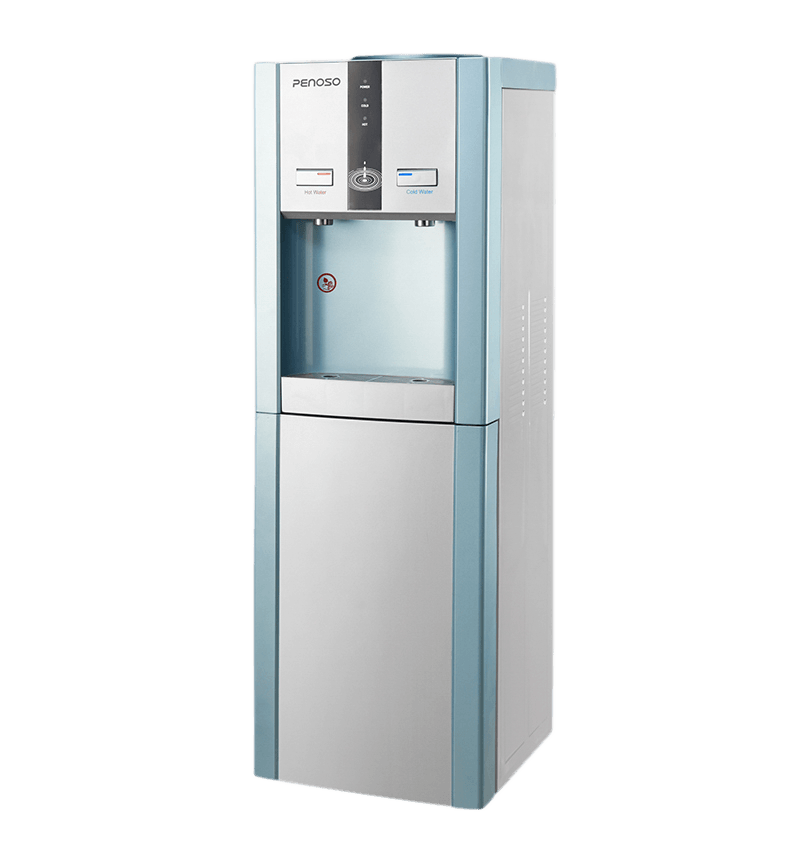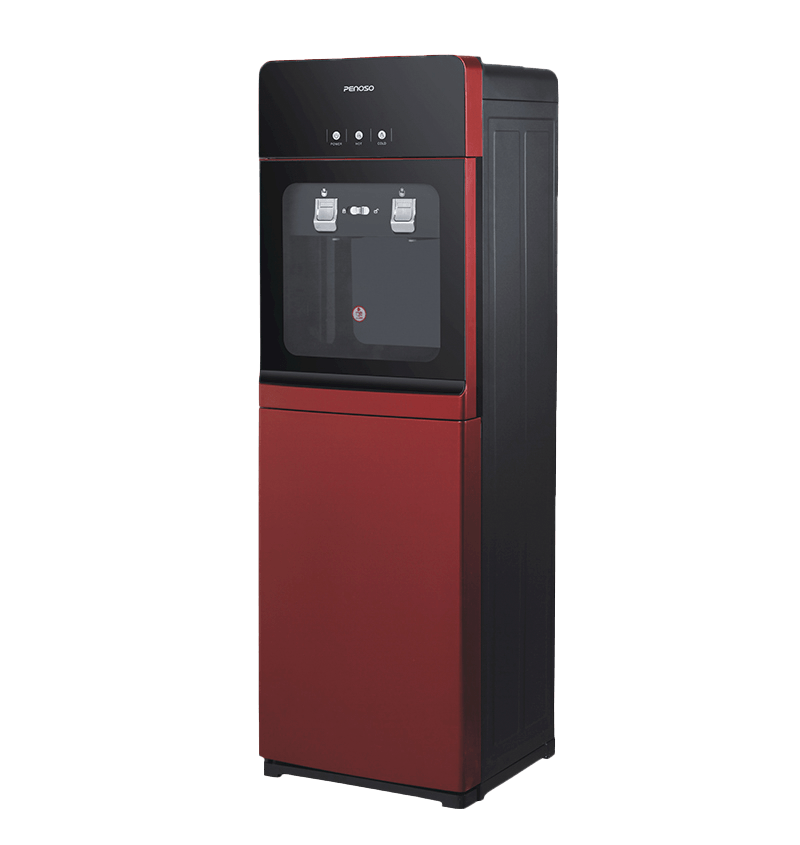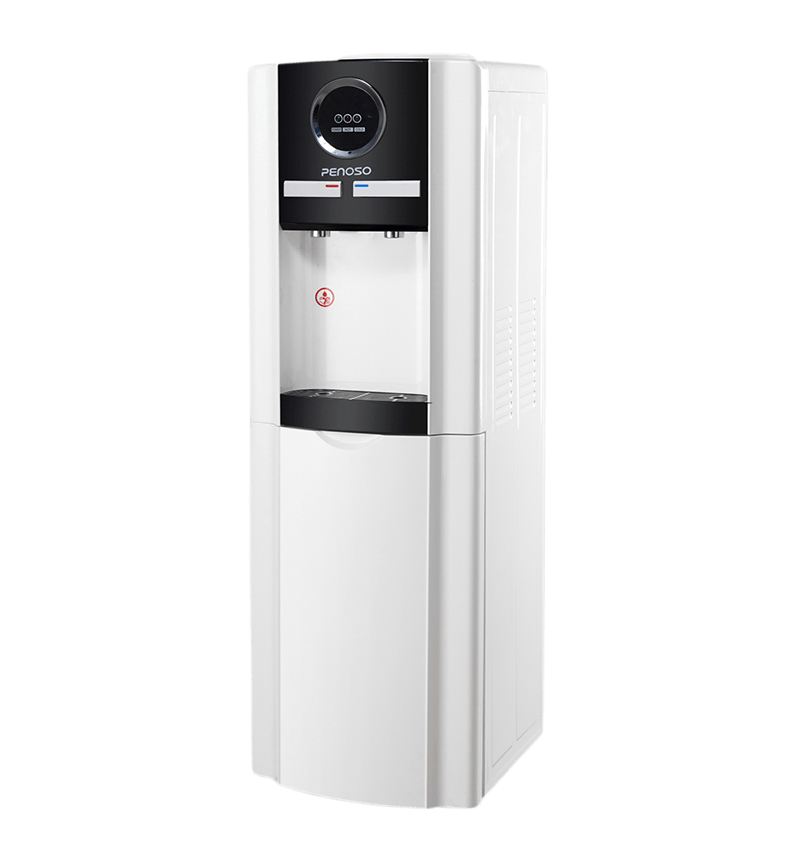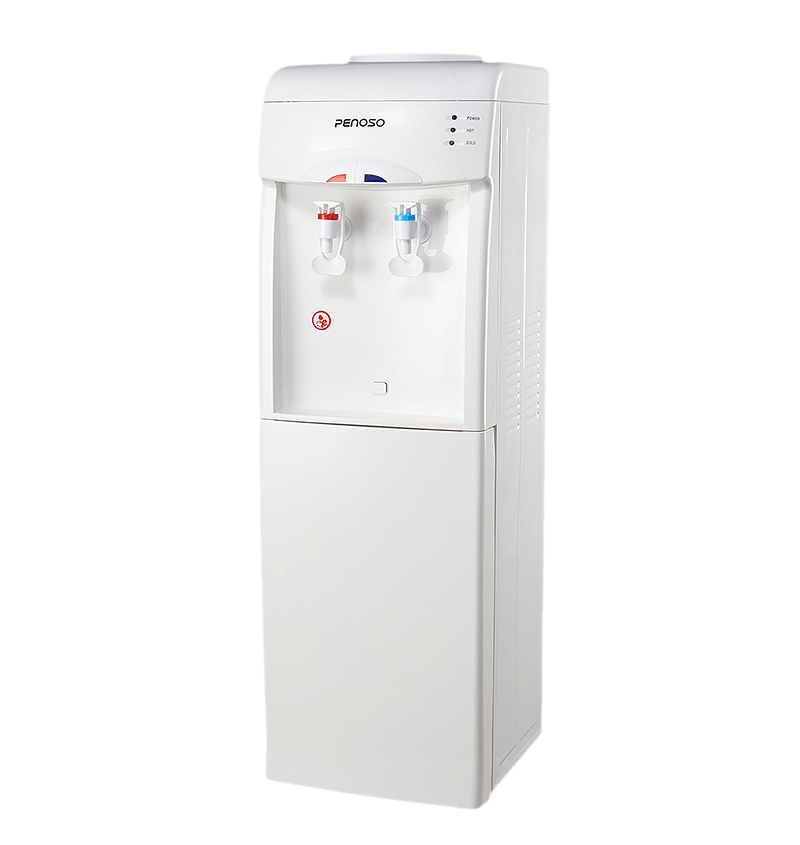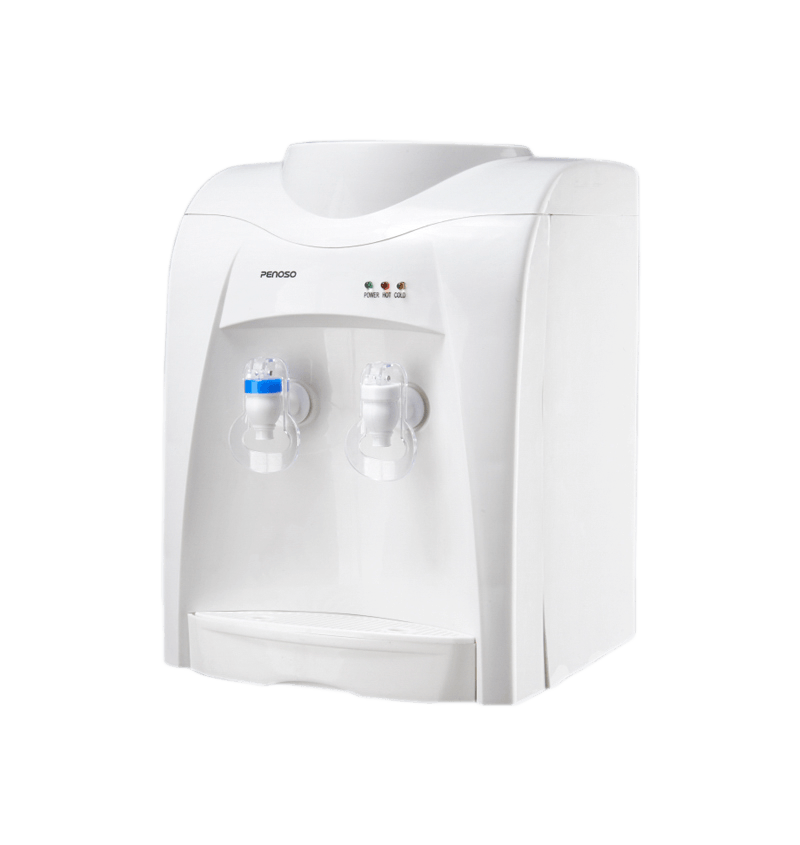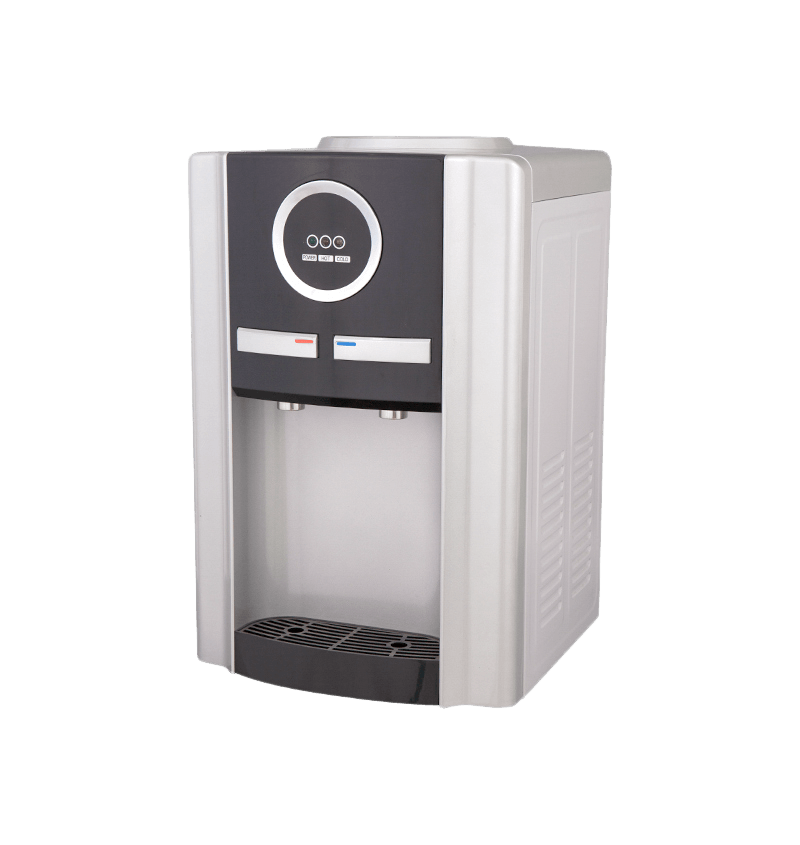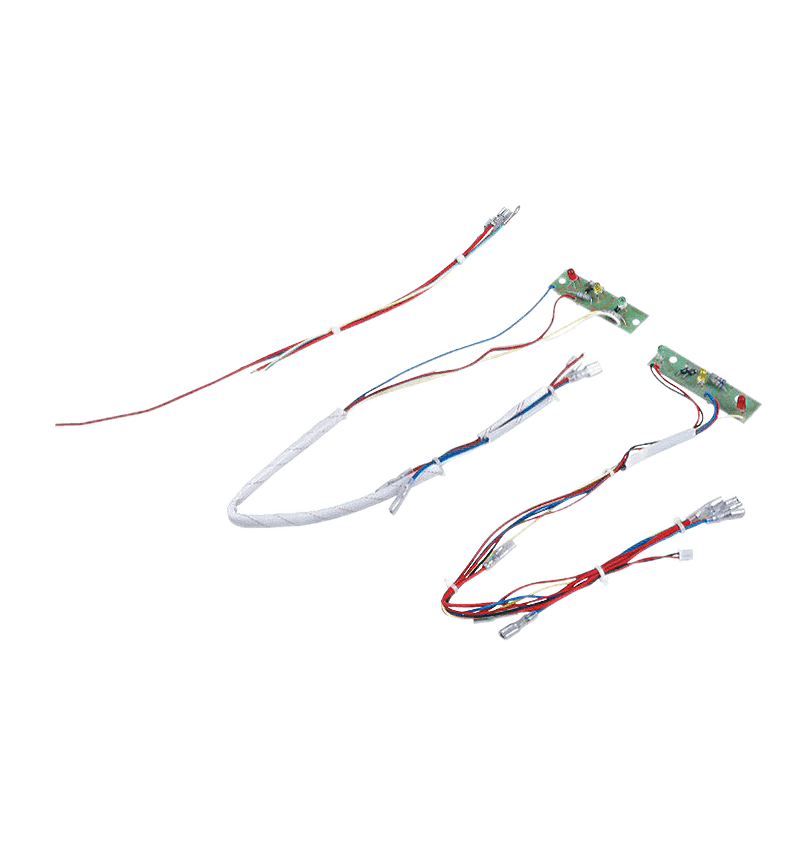
The Verdict: Electronic Cooling Water Dispensers Deliver 3-8°C Water with 0.5-2.0 kWh Daily Energy Use
For offices, homes, and commercial spaces requiring chilled drinking water, electronic cooling water dispensers (bottleless or bottled) provide water temperatures of 3-8°C (37-46°F) with energy consumption of 0.5-2.0 kWh per day (approximately $20-80 annually at $0.12/kWh). The direct conclusion: select an electronic cooling water dispenser based on cooling technology (compressor vs. thermoelectric), tank capacity (2-5 liters), daily output (10-40 liters per hour), filtration type (sediment, carbon, UV, RO), and energy efficiency (Energy Star or equivalent). Compressor-based coolers achieve lower temperatures (3-5°C) and higher output (20-40 L/hr) but weigh more (15-25 kg) and cost $200-500. Thermoelectric coolers (Peltier) are lighter (5-10 kg), quieter (30-40 dB vs. 45-55 dB), and cost $80-200 but cool to only 8-15°C and have lower output (5-15 L/hr).
Compressor vs. Thermoelectric Cooling: Technology Comparison
Electronic cooling water dispensers use two primary cooling technologies. Compressor-based coolers (vapor compression refrigeration) use a refrigerant (R134a, R600a, or R290), compressor, condenser, and evaporator. They achieve 3-5°C water even in hot ambient conditions (32-38°C) and cool 10-40 liters per hour. Compressors draw 70-120W when running, with 20-40% duty cycle in typical use (1,000-1,500 kWh annually). Cooling time for a full tank (3-5 liters): 15-30 minutes from room temperature (25°C) to 8°C. Thermoelectric coolers (Peltier modules) use solid-state heat pumps: when DC current flows, one side gets cold, the other hot. They cool to 8-15°C (ambient dependent), have 8-15°C lower cooling capacity than ambient, and cool at 2-5 L/hr maximum.
Which to choose: For offices with 10+ users daily, high ambient temperatures (>30°C), or preference for ice-cold water, compressor-based is required. For home use, low-volume (under 5 L/day), or quiet environments (bedrooms, libraries), thermoelectric may suffice. Thermoelectric coolers fail silently (no compressor noise) but have lower reliability (Peltier modules degrade after 3-5 years) compared to compressors (8-12 years). Compressor-based dispensers require level placement (within 3 degrees of level) for oil return; thermoelectric units can be tilted up to 30 degrees.
| Parameter | Compressor-Based | Thermoelectric (Peltier) |
|---|---|---|
| Min water temperature-- | 3-5°C-- | 8-15°C (depends on ambient)-- |
| Cooling capacity (L/hr at ΔT=15°C)-- | 20-40-- | 5-15-- |
| Power consumption (W)-- | 70-120 (running), 0.5-1W idle-- | 40-60 (constant)-- |
| Daily energy (kWh, 10L dispensed)-- | 0.8-1.2-- | 1.2-1.8-- |
| Noise level (dB at 1m)-- | 45-55 (compressor + fan)-- | 30-40 (fan only)-- |
| Weight (kg)-- | 15-25-- | 5-10-- |
| Typical cost (USD)-- | 200-500-- | 80-200-- |
| Expected lifespan (years)-- | 8-12-- | 3-5-- |
Bottled vs. Bottleless (Point-of-Use) Systems
Electronic cooling water dispensers come in bottled (uses 11-19L exchangeable water bottles) or bottleless (directly plumbed to building water supply) configurations. Bottled dispensers have lower upfront cost ($100-300) but require ongoing bottle purchases ($5-15 per 19L bottle, 1-2 bottles per week for 10 users = $250-1,500 annually) and physical lifting (15-20 kg bottles). Bottleless systems have higher upfront cost ($300-800) but eliminate bottle handling and reduce per-liter cost (tap water + filter replacement: $0.10-0.30 per liter vs. $0.30-0.80 for bottled). For offices with 10+ users, bottleless pays back in 6-18 months; for home use with low consumption (under 10L/week), bottled may be more convenient.
Sanitation considerations: bottled dispensers require manual cleaning of the water tank and faucets every 3-6 months to prevent biofilm growth; bottleless systems have automatic UV sterilization or ozone cleaning cycles. In field studies, bottled dispensers showed bacterial counts of 100-1,000 CFU/mL after 3 months without cleaning (acceptable limit < 100 CFU/mL for drinking water). Bottleless systems with UV maintain < 10 CFU/mL indefinitely. For healthcare facilities, schools, and food service, bottleless with UV or RO filtration is recommended. For residential, bottled is acceptable if users commit to quarterly cleaning.
Filtration Types: Sediment, Carbon, UV, RO, and Alkaline
Electronic cooling water dispensers incorporate various filtration stages. Sediment filters (1-5 micron) remove sand, rust, and particulates; replace every 6-12 months. Carbon filters (granular or block, 5-10 micron) remove chlorine, taste, odor, and some VOCs; replace every 6-12 months. UV sterilization (254 nm wavelength, 20,000-40,000 μW·s/cm² dose) kills bacteria and viruses (99.99% reduction); UV lamps last 8,000-12,000 hours (replace annually). Reverse osmosis (RO) systems (4-6 stages) remove 90-99% of dissolved solids (TDS), lead, fluoride, nitrates, and pharmaceuticals; produce 0.5-2 L per minute, waste 2-4 L per L product (reject water). Alkaline filters add back minerals (calcium, magnesium) and raise pH to 7.5-9.5.
Selection by feed water quality: If municipal water with TDS < 300 ppm and no known contaminants: sediment + carbon filter sufficient. If TDS > 500 ppm (hard water, well water) or lead/nitrates present: RO required. For microbiological concerns (well water, rural areas): carbon + UV required. For baby formula preparation: RO or distilled recommended (low mineral content prevents kidney stress in infants). For coffee/tea enthusiasts: RO with remineralization (adds back 30-50 ppm TDS for flavor). Filter replacement costs: sediment $5-15, carbon $10-25, RO membrane $30-60 every 2-3 years, UV lamp $20-40 annually. Budget $50-150 per year for filter maintenance.
Tank Capacity and Hot Water Option
Electronic cooling water dispensers have a cold water tank (typically 2-5 liters) that maintains chilled water for immediate dispensing. Small tanks (2-3L) recover quickly (10-15 minutes to rechill after full draw) but require more frequent compressor cycling; large tanks (4-5L) have longer recovery (20-30 minutes) but provide more cold water before warm-up. For offices with peak demand (morning, lunch), choose larger tank (4-5L) or dispenser with high cooling capacity (30+ L/hr). For home use with 1-2 users, 2-3L tank sufficient.
Hot water option (instantly heated to 85-98°C) adds $50-150 to cost and 100-200W for heating. Hot water tanks (0.5-2L) maintain 85-95°C using 50-100W idle power (0.2-0.5 kWh/day). Instant heating (tankless, 1,500-2,200W) draws high power only during dispensing (0.5-2 minutes per cup) but requires dedicated 15-20A circuit. Tank-type hot water dispensers have risk of scalding (water exits at 90-95°C); choose models with child-safety lock and temperature limiting (max 85°C for homes with children). For offices, hot water capability reduces need for separate electric kettles, saving counter space.
Energy Efficiency and Standby Power
Electronic cooling water dispensers operate 24/7, so standby power consumption matters. Energy Star certified dispensers use 0.16-0.35 kWh per day in standby (approximately $7-15 annually at $0.12/kWh) vs. 0.5-1.0 kWh for non-certified ($22-44 annually). Compressor units with mechanical thermostats cycle every 2-4 hours; electronic controls (microprocessor) optimize cycling based on usage patterns, reducing energy by 20-30%. Energy-saving features: sleep mode (dispenser turns off cooling during nighttime hours, programmable via timer), vacation mode (maintains only enough cooling to prevent stagnation, no active cooling), and ambient temperature compensation (reduces cooling when room temperature is low).
Measure your dispenser's energy use with a plug-in power meter (Kill-A-Watt). A typical compressor-based dispenser used in an office (50-100 draws per day, 8 hours operation, 16 hours idle) consumes 0.8-1.2 kWh daily; hot water model adds 0.5-1.0 kWh (tank maintains 90°C water 24/7). To reduce energy, turn off hot water heater when not needed (weekends, holidays) using timer or manual switch. For home use, unplug the dispenser when away for >3 days (water in tank will reach room temperature but is safe to drink; run 2-3 cups through to flush before use). For commercial use, choose dispensers with ENERGY STAR certification and timer controls.
Water Tank Hygiene and Biofilm Prevention
Stagnant water in electronic cooling water dispensers can develop biofilm (bacterial slime) on tank walls and tubing. Recommended cleaning schedule: bottled dispensers every 3 months, bottleless dispensers every 6 months (or per manufacturer instructions). Cleaning solution: 1 tablespoon unscented household bleach (5-6% sodium hypochlorite) per liter of water, or citric acid (2 tablespoons per liter) for descaling. Fill tank, let sit 30 minutes, run solution through faucets, then flush with 5-10 liters of clean water until chlorine taste/smell dissipates. For bottleless systems with UV, follow manufacturer's sanitizing procedure (often automated cycle).
Signs of biofilm: slimy feel on tank walls, musty or earthy taste/smell, visible floating particles (flakes) in dispensed water. Biofilm in cooling tank can harbor Pseudomonas, Legionella, and other opportunistic pathogens. In one study of 50 office water coolers, 30% had biofilm presence despite regular filter changes; those with UV sterilization had 0% biofilm. For immunocompromised users, specify dispensers with UV sterilization or automated ozone cleaning. Replace plastic water tanks every 5-7 years (micro-scratches harbor bacteria); stainless steel tanks are more hygienic but less common.
Installation: Plumbing, Electrical, and Space Requirements
Bottleless electronic cooling water dispensers require connection to building water supply. Plumbing: 1/4" or 3/8" polyethylene or push-connect tubing (NSF 51 or 61 certified). Shut-off valve (1/4-turn ball valve) must be installed before dispenser for maintenance. Water pressure range: 20-80 psi (1.4-5.5 bar); below 20 psi requires booster pump; above 80 psi requires pressure regulator. Electrical: 120V 60Hz (USA) or 220-240V 50Hz (international), dedicated 15A circuit for units with hot water (1,500W+), shared circuit for cool-only (< 200W). GFCI protection required in commercial kitchens and wet areas. Space: allow 15cm clearance on sides, 30cm rear for ventilation; for compressor units, ensure airflow (blocked vents cause compressor overheating and premature failure).
For bottled dispensers: no plumbing required; place on level floor within 1.5m of electrical outlet; allow 50cm above for bottle changes (19L bottles are 50cm tall). Floor must support 30-50 kg weight (water + dispenser). For both types, avoid direct sunlight (heats water, promotes algae growth) and heat sources (radiators, ovens, direct sun through windows). For outdoor locations (covered patios, garages), specify outdoor-rated model with IP44+ enclosure and freeze protection (heating element to prevent internal water freezing below 0°C).
Noise Levels and Vibration
Electronic cooling water dispensers generate noise from compressors, fans, and water dispensing. Compressor noise: 45-55 dB at 1m (similar to refrigerator). Fan noise: 35-45 dB (whoosh of air). Thermoelectric units: 30-40 dB (fan only). For open-plan offices, locate dispenser in break room or kitchen, not near workstations. For home installation, place in kitchen or utility room, not bedrooms. Noise annoyance is subjective: 50 dB constant noise (compressor running) can be distracting to sensitive individuals after 1-2 hours. Models with "quiet mode" (reduced fan speed, insulated compressor) achieve 38-42 dB at 1m, costing $50-100 extra.
Vibration: compressor units produce low-frequency vibration (50-120 Hz) that can transfer through floors; place on rubber mat ($10-20) or anti-vibration pad to reduce transmitted noise to adjacent rooms. Thermoelectric units have negligible vibration. For upstairs offices (wood-frame buildings), compressor vibration may be noticeable in room below; choose thermoelectric or locate on ground floor. Water dispensing noise: 60-75 dB (water splashing into cup), unavoidable but brief (5-15 seconds per dispense). For late-night use (nursery, home office), fill a pitcher during daytime rather than dispensing at night.
Common Failure Modes and Troubleshooting
Electronic cooling water dispensers experience several common failures. No cooling: compressor not running (check thermostat, capacitor, overload protector) or refrigerant leak (requires professional repair). Insufficient cooling: dirty condenser coils (clean annually), low refrigerant (seal leak), or failed Peltier module (thermoelectric). Water leaks: cracked water tank (aged plastic, replace tank), loose tubing connections (tighten with wrench or replace compression fitting), failed solenoid valve (scale buildup, replace valve). No water flow: clogged filter (replace), frozen water line (thermoelectric units: ice block; compressor: check thermostat set too low), failed pump (bottleless with RO booster pump).
User-serviceable fixes: clean condenser coils (vacuum or brush) annually to maintain cooling capacity; descale hot water tank (citric acid solution) every 6-12 months in hard water areas (>120 ppm CaCO3); replace filters per schedule (ignoring causes bacterial growth and flow reduction). For compressor units, listen for abnormal noises (clanking = loose parts, hissing = refrigerant leak, clicking = relay cycling rapidly). For thermoelectric units, check fan operation (no fan = no cooling). Most electronic cooling water dispensers have a 1-3 year warranty; after warranty, repair cost often exceeds replacement value for sub-$200 units. For $300+ units, repair is economical (new compressor $80-150, new PCB $30-60).
Refrigerant Types and Environmental Impact
Compressor-based electronic cooling water dispensers use refrigerants with varying global warming potential (GWP). R134a (GWP 1,430) is common in older and low-cost models; being phased down in USA (EPA SNAP) and EU (F-Gas Regulation). R600a (isobutane, GWP 3) is the environmentally preferred refrigerant, but flammable (A3 safety class); requires specific handling and storage restrictions. R290 (propane, GWP 3) is also used; more flammable than R600a but higher efficiency (10-15% lower energy consumption). For commercial dispensers (high refrigerant charge >150g), R134a may still be used; for residential (under 150g charge), R600a or R290 is increasingly common.
Safety: dispensers with R600a or R290 must have hermetically sealed systems and be located in well-ventilated areas (not enclosed cabinets, not within 0.5m of ignition sources like water heaters or furnaces). Leaking R600a disperses quickly (lighter than air), but accumulation in unventilated spaces creates explosion risk. For basements, garages, or utility rooms, choose R134a or thermoelectric if concerned about flammability. For office and home kitchens (well-ventilated), R600a/R290 acceptable. Check data plate for refrigerant type before purchase. Environmental regulation: R134a production is being phased out; expect higher repair costs and limited availability after 2025-2030. R600a/R290 units have better long-term serviceability.
Total Cost of Ownership Analysis
For a 5-year period, compare total cost of ownership for different electronic cooling water dispenser configurations (office with 25 users, 50 L/week consumption). Bottled compressor dispenser: $200 initial + $15/bottle × 5 bottles/week × 52 weeks × 5 years = $19,800 bottled water + $75 filters (carbon) + $100 maintenance = $20,175. Bottleless compressor with RO: $600 initial + $0 water (tap) + $50 RO membrane/year × 5 = $250 + $20 carbon filters/year × 5 = $100 + $100 maintenance = $1,050. Bottleless thermoelectric with carbon only: $150 initial + $20 carbon/year × 5 = $100 + $0 water + $50 maintenance = $300. Bottleless saves $19,000+ over 5 years; ROI for bottleless compressor (over bottled) is 1-2 months.
For home use (2 users, 15 L/week): Bottled compressor: $150 + $15/bottle × 1.5 bottles/week × 52 × 5 = $5,850 + $75 filters = $6,075. Bottleless compressor: $500 + $100 filters = $600. Bottleless thermoelectric: $120 + $100 filters = $220. Bottleless saves $5,855 vs. bottled over 5 years. For home users who prefer bottled water taste, consider bottleless with advanced carbon+RO filtration (achieves taste similar to bottled water). For renters who cannot plumb, bottled remains only option; consider countertop dispensers (no bottles to lift) or water filter pitchers (no cooling).